OM3과 OM4 패치 코드의 주요 차이점은 대역폭과 전송 거리에 있습니다. OM4는 OM3의 2000MHz·km의 두 배 이상인 4700MHz·km의 EMB(Effective Modal Bandwidth)를 제공하고 OM3의 경우 100m에 불과한 데 비해 150m 이상에서 100G 이더넷을 지원합니다. 둘 다 동일한 50/125μm 코어/클래딩 구조를 공유하는 다중 모드 광섬유 유형이지만 OM4는 ...
자세히 알아보기


 문의
문의
상품검색
언어
제품
연락
ODF 광섬유 분포 프레임
ODF(광 분배 프레임)는 광섬유를 구성, 종료, 접속 및 분배하기 위해 광섬유 통신 네트워크에 사용되는 표준화된 랙 또는 캐비닛입니다. 들어오고 나가는 케이블, 패치 코드 및 네트워크 장비 간의 광섬유 연결을 관리하기 위한 중앙 허브 역할을 합니다.
-
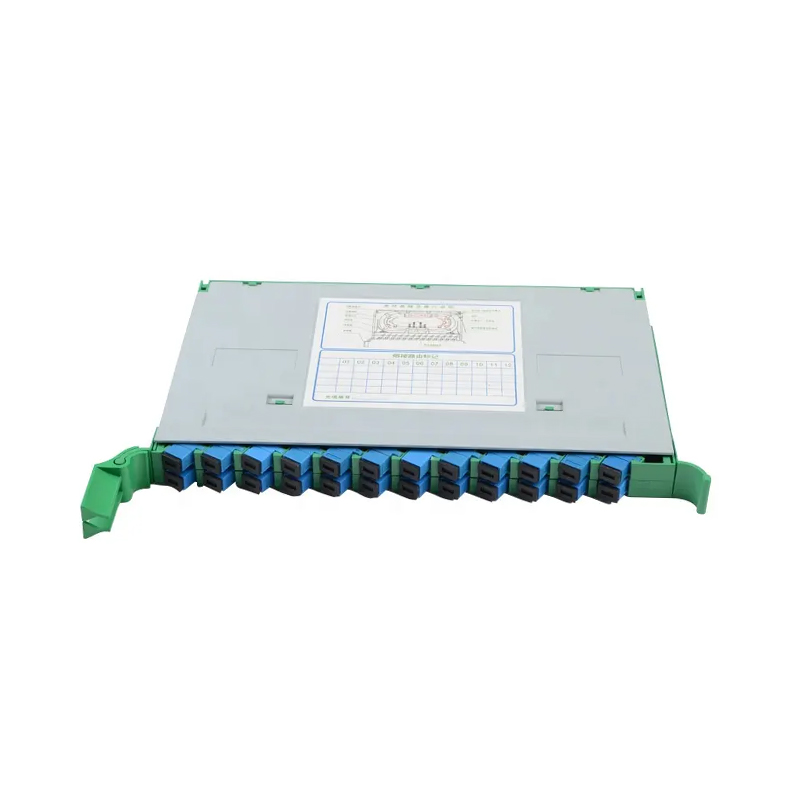

GSG-ODF-001 ODF 광섬유 분포 프레임
GSG-ODF-001 ODF 광섬유 분배 프레임은 유선형의 공간 절약형 설계를 갖추고 � -
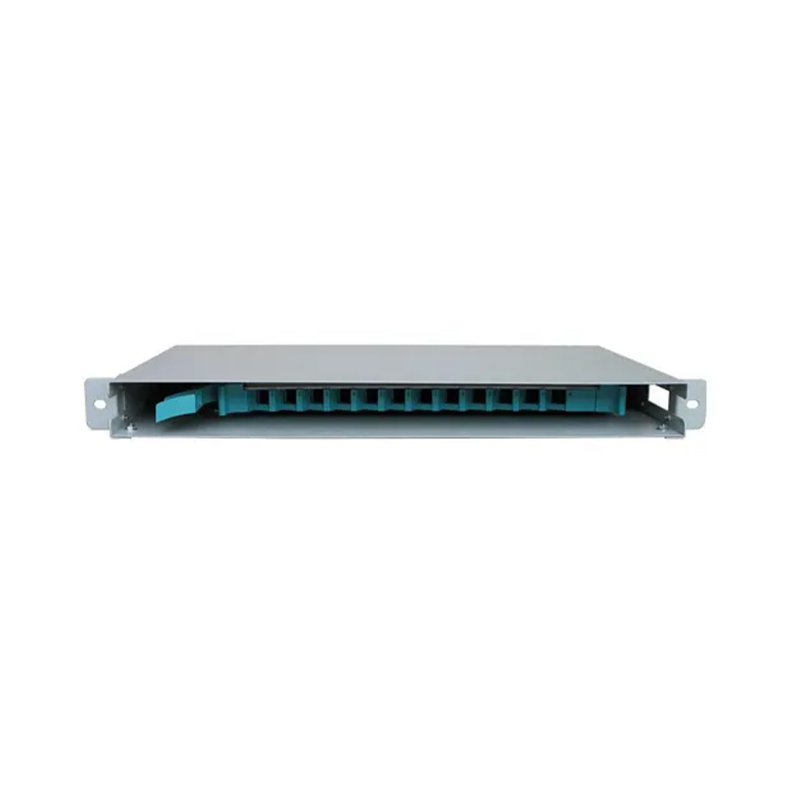
GSG-ODF-24A ODF 광섬유 분포 프레임
GSG-ODF-24A ODF 광섬유 분배 프레임에는 24개의 포트가 있어 중대형 광섬유 � -
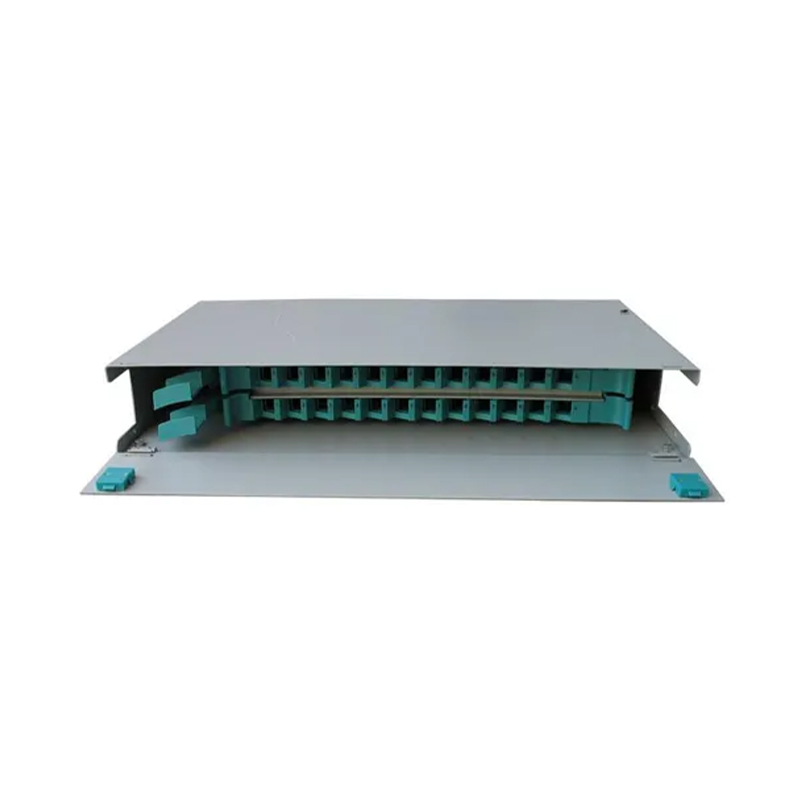
GSG-ODF-48A ODF 광섬유 분포 프레임
GSG-ODF-48A ODF 광섬유 분배 프레임에는 통합 케이블 관리 기능이 포함되어 � -
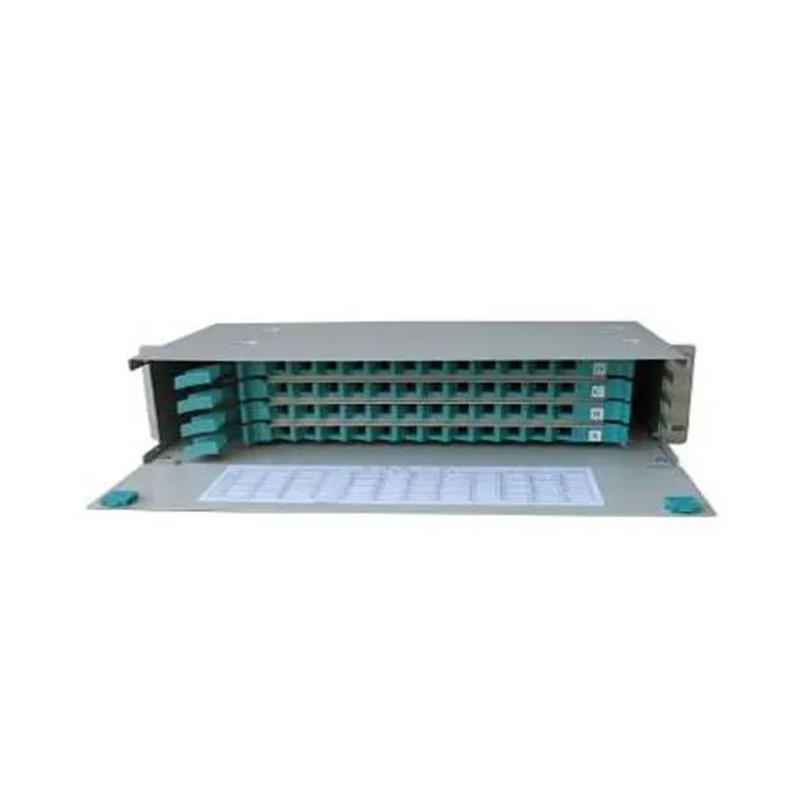
GSG-ODF-72A ODF 광섬유 분포 프레임
GSG-ODF-72A ODF 광섬유 분포 프레임. 다수의 광섬유 연결을 지원하므로 여러 -
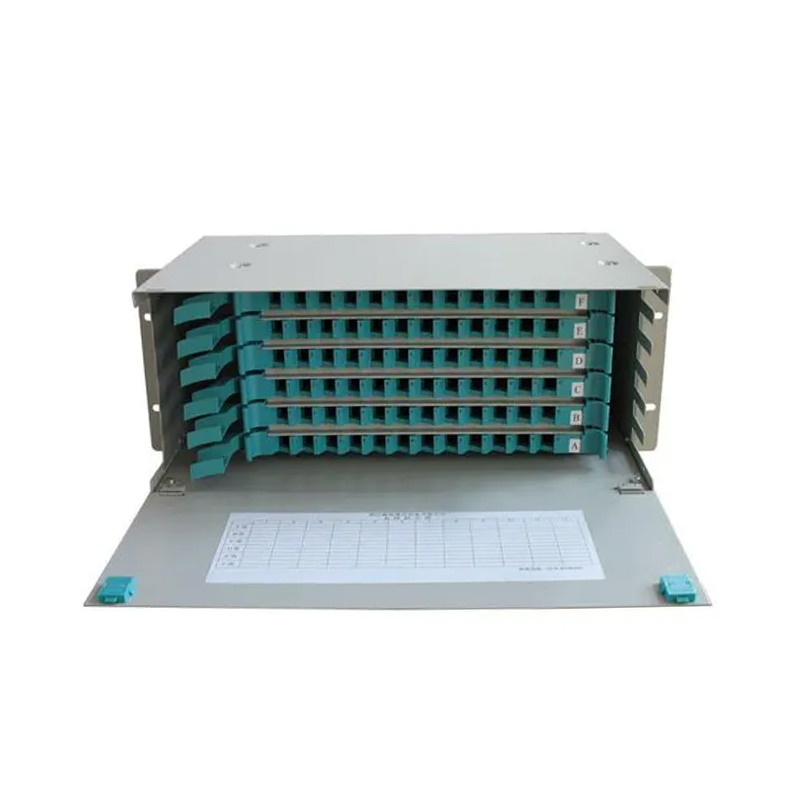
GSG-ODF-96A ODF 광섬유 분포 프레임
GSG-ODF-96A ODF 광섬유 분배 프레임은 다양한 유형의 광섬유 케이블 및 커넥�
회사 소개
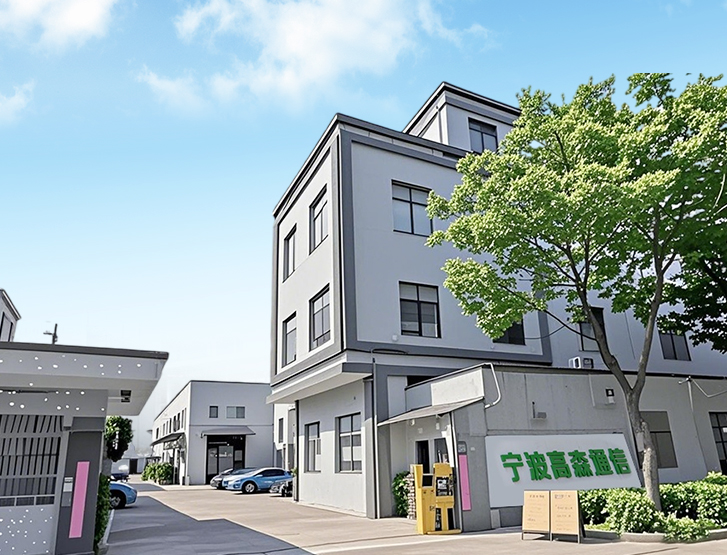
Ningbo Goshining Communication Technology Co., Ltd.는 모든 고객의 요구를 충족하고 원스톱 서비스를 제공할 수 있는 고품질 및 일류 서비스를 갖춘 다양한 광섬유 제품을 설계, 생산 및 판매하는 기업입니다. 당사의 제품에는 광섬유 고속 커넥터, 패치 코드, PLC 분배기, 케이블, 배전함, 스플라이스 클로저 및 터미널 박스 등이 포함됩니다. 또한 귀하의 브랜드 개발에 도움이 되는 맞춤화 서비스도 제공합니다.
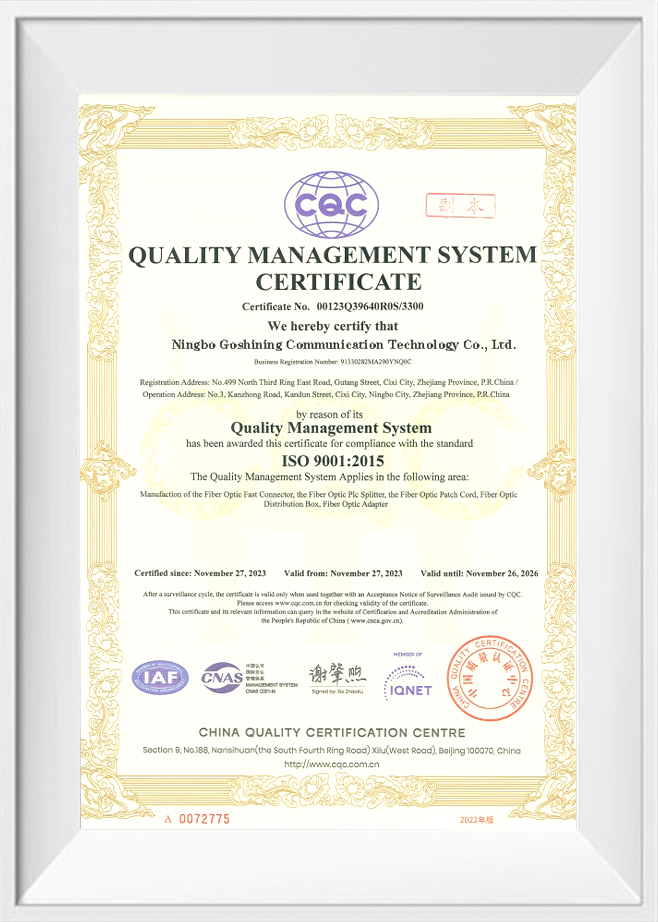
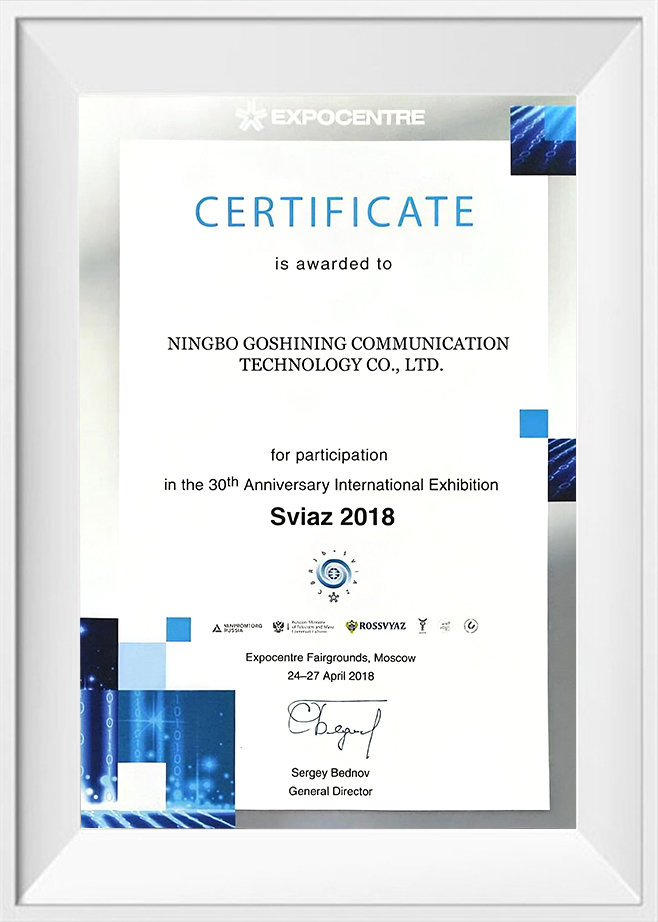
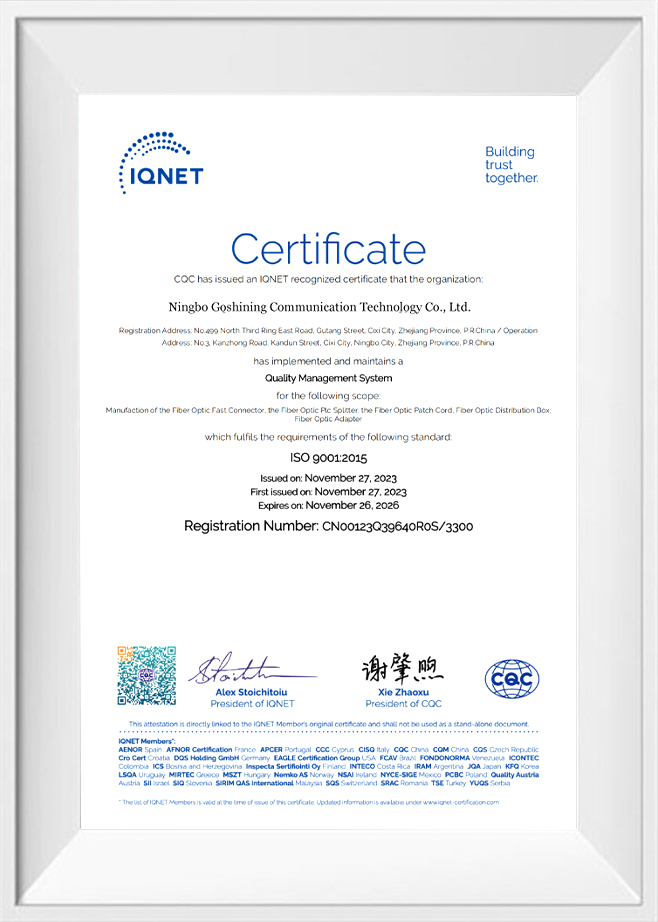
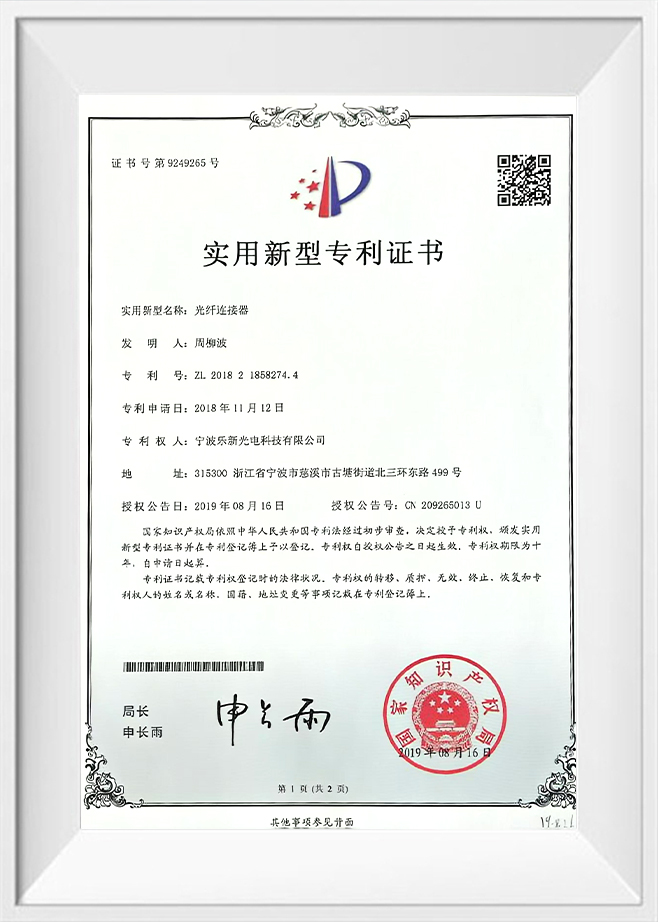
인증서
뉴스
-
Mar 13, 2026_Goshining
-
Mar 06, 2026_Goshining올바른 광섬유 스플라이스 클로저를 선택하는 것은 다음과 같습니다. 4가지 핵심 요소: 설치 환경, 케이블 인입구 구성, 광섬유 수 용량, 밀봉 방법 . 이를 올바르게 수행하면 20년 동안 접합부를 보호하는 마개를 갖게 됩니다. 잘못 판단하면 습기 유입이나 기계적 고장으로 인해 전체 네트워크 세그먼트가 중단될 수 있습니다. 이 가이드는 올바른 결정을 내리는 데 도움이 되도록 각 요소를 특정 데이터로...자세히 알아보기
-
Feb 28, 2026_Goshining광섬유 케이블 는 현대 통신 시스템의 핵심 구성 요소로 높은 대역폭, 장거리 전송 및 간섭 저항으로 인해 다양한 분야에서 널리 사용됩니다. 그러나 많은 사람들은 광섬유 케이블의 유지 관리 비용과 장기적인 신뢰성에 대해 우려하고 있습니다. 실제로 광섬유 케이블의 유지 관리 비용은 상대적으로 낮습니다. 특히 설계 및 설치 단계에서 시스템을 잘 계획하면 나중에 유지 관리의 필요성을 효과적으로 줄일 수 있...자세히 알아보기
ODF 광섬유 분포 프레임 Industry knowledge
Fiber optic patch panels are core equipment for fiber optic connection, distribution and management in fiber optic communication systems. Their main functions are reflected in the following aspects:
First, fiber optic patch panels realize the orderly connection of fiber optic lines. In communication networks, a large number of optical fibers need to be connected to each other, and fiber optic patch panels provide a standardized platform to make these connections orderly. It can centrally manage optical fibers from different directions, avoid line confusion, and greatly improve the maintainability of the system.
Second, fiber optic patch panels provide reliable protection functions. The fiber core is extremely fragile and susceptible to physical damage and environmental factors. Through its sturdy shell and internal structure, the patch panel provides mechanical protection and environmental isolation for key parts such as fiber optic connectors and fusion points, effectively preventing erosion by external factors such as dust and moisture.
Fiber optic patch panels facilitate flexible deployment of lines. As business needs change, fiber optic lines may need to be adjusted frequently. The design of the patch panel enables technicians to quickly and conveniently perform fiber jumper, testing and maintenance operations, greatly improving work efficiency.
Finally, fiber optic patch panels help achieve standardized management. Through a unified interface and identification system, the patch panel makes the complex fiber optic network visual and standardized, which is convenient for daily management and troubleshooting.
The working principle of the fiber optic patch panel is based on the basic principle of fiber optic communication and combines the concept of structured cabling. Its core function is to realize the distribution and transfer of optical signals without processing or changing the signal itself. When the optical signal is transmitted to the patch panel through the optical fiber, it first enters the incoming line area of the patch panel. Here, the optical fiber is usually fixed on an appropriate support structure and necessary coiling is performed to maintain an appropriate bending radius to avoid optical signal attenuation caused by excessive bending.
Subsequently, the optical fiber can be connected in the patch panel in two main ways: one is direct docking with optical fiber connectors, and the other is to achieve permanent connection through fusion. The connector docking method is flexible and easy to adjust later; the fusion method has lower loss and higher stability. There are usually special fusion trays or adapter panels inside the patch panel to support these two connection methods.
After the connection is completed, the optical signal can be distributed to different outlet ports through jumpers or pigtails, and then connected to the corresponding communication equipment or other optical fiber lines. During the entire process, the distribution frame ensures that the optical fiber is routed reasonably, the bends are appropriate, and all connection points are firm and reliable, minimizing signal loss.
들어가다 터치

No.255 Lianfei Road, KandunIndustrial Park, Cixi City, 절강성, 중국
제품 센터
연락처
-
Email: [email protected]
-
Tel: +86 18367407397
모바일
저작권 © Ningbo Goshining Communication Technology Co., Ltd.
